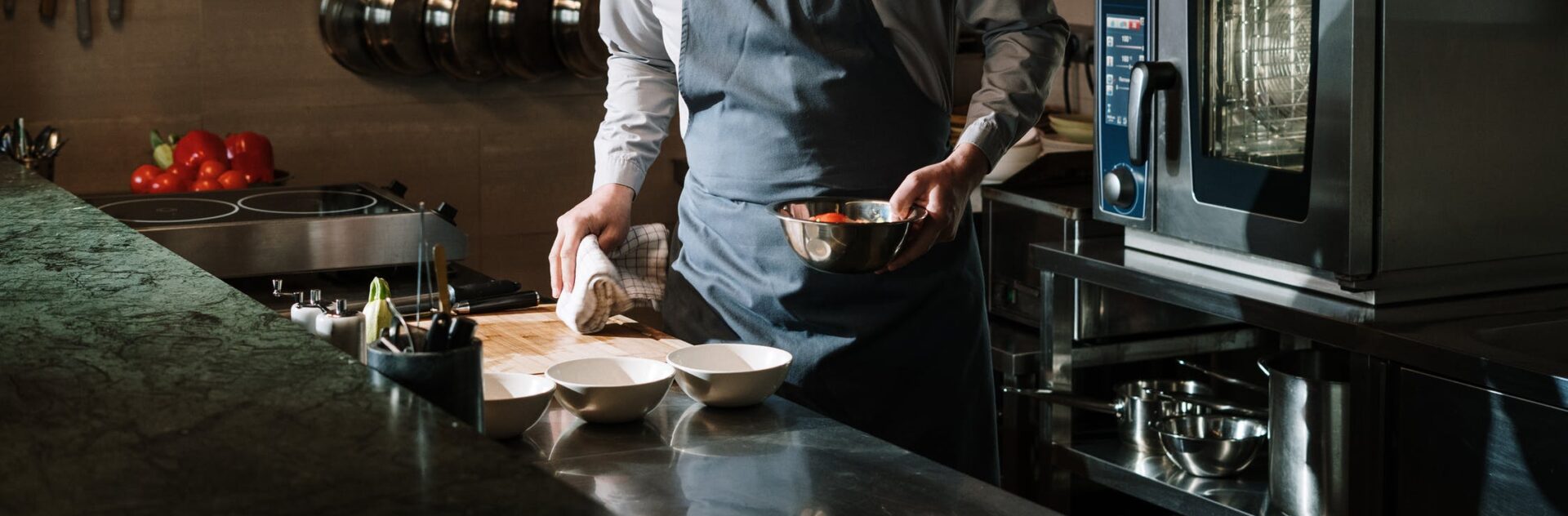
In a meat restaurant, trust begins before the first bite. Guests look at the menu, the room, the service, the smell of the grill, and the way the kitchen behaves. When the kitchen is open and the grill is visible, the restaurant sends a clear message: nothing important is hidden.
This transparency changes the dining experience. A steakhouse is not only selling a piece of beef. It is selling confidence — confidence in the cut, the cooking method, the timing, the skill of the team, and the honesty of the whole process.
Guests See the Craft, Not Just the Result
A closed kitchen asks guests to believe. An open kitchen allows them to observe. They can see flames, smoke, seasoning, resting, slicing, and plating. This makes the meal feel less abstract.
For many guests, meat is one of the most personal restaurant orders. People care about doneness, texture, freshness, and the quality of the cut. When they can watch the grill in action, they understand that the dish is not simply “prepared somewhere in the back.” It is handled by real cooks, under pressure, with visible attention.
This creates a sense of craftsmanship. The grill becomes part of the restaurant’s identity, almost like a stage where skill is shown without explanation.
Fire Creates Emotional Confidence
A visible grill has a powerful psychological effect. Fire suggests direct cooking, simplicity, and control. It reminds guests that the restaurant is relying on heat, timing, and product quality rather than hiding behind heavy sauces or complicated presentation.
When guests see steaks being cooked over fire or on a hot grill, they connect the final plate with a clear process. The aroma, sound, and visual rhythm all support the idea that the food is fresh and made to order.
This is especially important in a meat restaurant because guests often pay for more than calories. They pay for a feeling of occasion. The visible grill strengthens that feeling.
Transparency Reduces Suspicion
Restaurant guests today are more attentive than before. They ask where ingredients come from, how food is prepared, whether portions are fair, and whether premium menu descriptions are justified. An open kitchen cannot answer every question, but it reduces distance between the guest and the process.
When the kitchen is visible, it is harder for the restaurant to appear careless. Clean surfaces, organized stations, disciplined movement, and confident cooking all communicate seriousness. Guests may not know every technical detail, but they can sense order.
In a meat restaurant, this matters. A guest who orders a steak wants to believe that the kitchen respects the product. Seeing cooks work carefully with meat helps build that belief.
The Grill Becomes Part of the Atmosphere
An open grill is not only a cooking tool. It is part of the room’s energy. It gives the restaurant movement, warmth, sound, and visual focus. Guests do not simply sit and wait. They become part of a live process.
This can make the dining room feel more honest and less manufactured. Instead of decoration pretending to create authenticity, the real work of cooking becomes the decoration.
For a steakhouse, that is especially valuable. Meat, fire, smoke, and timing are central to the concept. When these elements are visible, the restaurant’s atmosphere feels connected to its menu.
Visible Cooking Raises Expectations
Transparency also creates responsibility. If guests can see the kitchen, they can also see mistakes: confusion, poor timing, messy stations, or lack of communication. An open kitchen therefore forces a higher level of discipline.
This pressure can be healthy. It reminds the team that every movement is part of the guest experience. The way a cook handles a steak, wipes a plate, speaks to colleagues, or checks the grill becomes visible hospitality.
For the restaurant, an open kitchen is not a design trick. It is a promise. The team must be ready to perform consistently.
Trust Depends on Cleanliness and Order
Cleanliness is one of the strongest trust signals in any restaurant. In an open kitchen, it becomes immediate and visible. Guests notice whether the space is organized, whether tools are handled properly, whether cooks move with purpose, and whether the grill station looks professional.
This does not mean the kitchen must look silent or perfect. Real kitchens are active places. But guests can distinguish between controlled intensity and chaos.
In a meat restaurant, where raw and cooked products require careful handling, visible order is especially important. It tells guests that the restaurant takes food safety seriously without needing to say it directly.
It Helps Guests Understand Value
A good steak can be expensive. Guests may wonder why one cut costs more than another or why a simple-looking dish carries a premium price. An open grill can help explain that value.
When people see the work behind the plate — the selection, seasoning, grilling, resting, cutting, and final service — they better understand that the price reflects more than the raw ingredient. It reflects skill, timing, equipment, staff training, and consistency.
This is important because steakhouse dining often depends on perceived value. A guest may forgive a high price more easily when the process feels real and visible.
It Creates a Stronger Connection with the Team
In a traditional restaurant layout, the kitchen team is invisible. Guests interact mostly with servers. In an open kitchen, cooks also become part of the restaurant’s personality.
Even without direct conversation, guests may recognize the people preparing their food. They see concentration, teamwork, and rhythm. This creates a more human experience.
For regular guests, this can be powerful. They may start to associate the restaurant not only with a menu item, but with the people behind it. Trust grows when the team feels present.
Open Kitchens Must Avoid Theatre Without Substance
A visible grill can build trust only if it is genuine. If the open kitchen is used merely as decoration while the real preparation happens elsewhere, guests may feel misled. The visual promise must match the actual food quality.
The same is true if the grill looks impressive but the steaks arrive poorly cooked. Theatre cannot replace technique. Flames may attract attention, but consistency keeps guests coming back.
The best meat restaurants use visibility not as a performance mask, but as an extension of their standards. What guests see should support what they taste.
Why Visibility Fits Modern Dining
Modern diners often want more than a finished plate. They want context. They want to understand the story, the method, and the people behind the meal. This is why open kitchens have become more than a design trend.
For a meat restaurant, the visible grill is especially meaningful because it connects directly to trust. It shows the central act of the restaurant: transforming a cut of meat into a dish worth remembering.
An open kitchen does not guarantee quality by itself. But when combined with skilled cooking, clean organization, good service, and honest sourcing, it becomes a powerful signal.
Guests trust what they can understand. In a steakhouse, seeing the fire, the hands, the timing, and the care behind the plate can turn a simple dinner into a more confident experience.